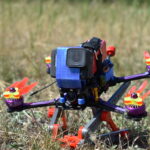
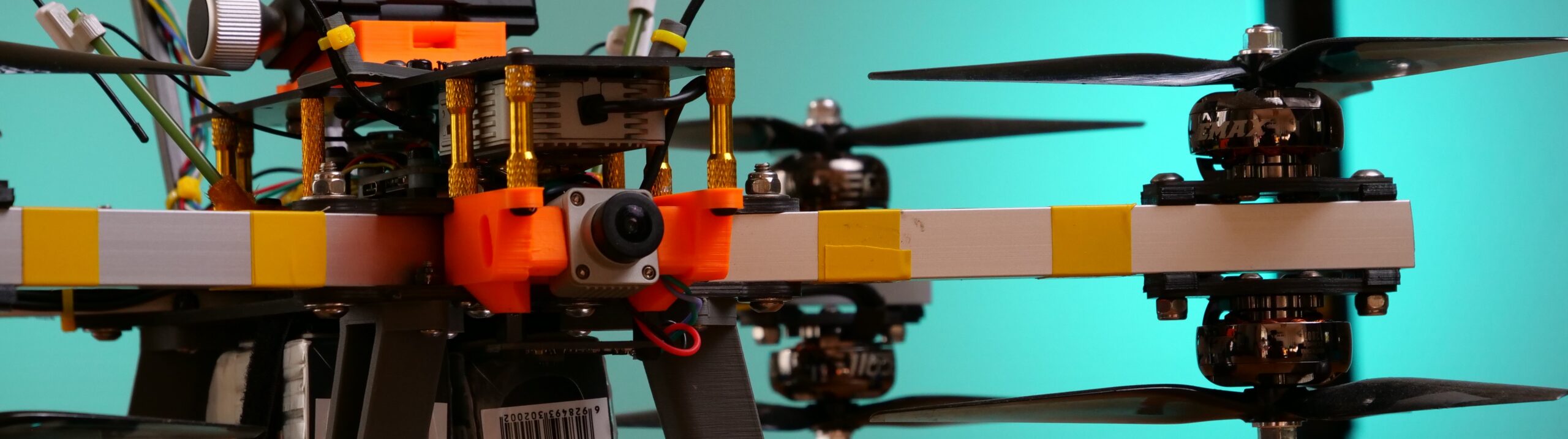
Reach Power says a quadcopter flew autonomously for 10 hours, powered wirelessly by a beam that it switched on and off as needed. The demonstration was streamed live to participants at the Pentagon.
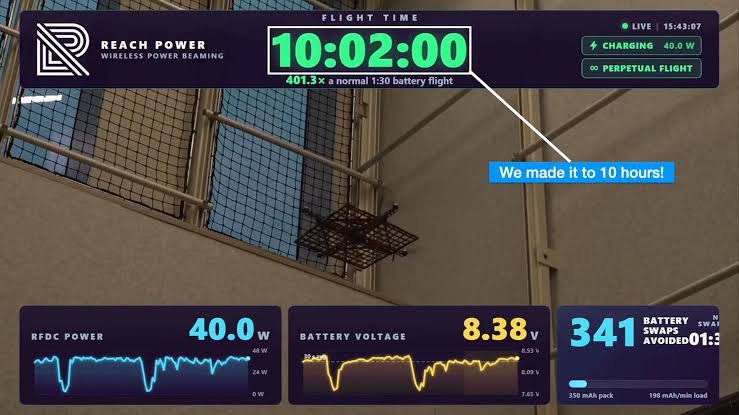
The demonstration took place on September 22 at the Virginia Tech Institute for Advanced Computing, as part of the 2026 Energy Sentry event run by Operational Energy-Innovation (OE-I). Reach Power, which describes itself as a leader in wireless power-at-a-distance, says it is the first commercial power beaming demo streamed live to participants at the Pentagon.
During the flight, the aircraft managed its own energy. Onboard processing tracked its charge level, and when the battery was full it released the power link and moved away from the beam. When it reached a set threshold, it returned and requested power again, and the electronically steered beam reacquired it. The drone and transmitter carried out this cycle without operator input. The company says the flight ran without GPS, external tracking sensors or manual flight controls, and that the drone used onboard visual navigation and edge AI processing.
The flight lasted 10 hours, roughly 400 times longer than the 90-second battery-only flight used as a test baseline. Reach CEO Chris Davlantes said the company could have continued for days. The drone used NDAA-compliant components, with key systems made in the United States by ModalAI.
Small drones typically fly for 30 to 40 minutes before needing a battery swap or recharge, which limits surveillance and communications missions. Reach says its technology could reduce charging infrastructure and personnel needs. The company has also received funding for several programs through the Department of War's OECIF fund, administered by OE-I. Reach sees further uses in industrial robotics, infrastructure inspection and public safety.
Source: sUAS News