-
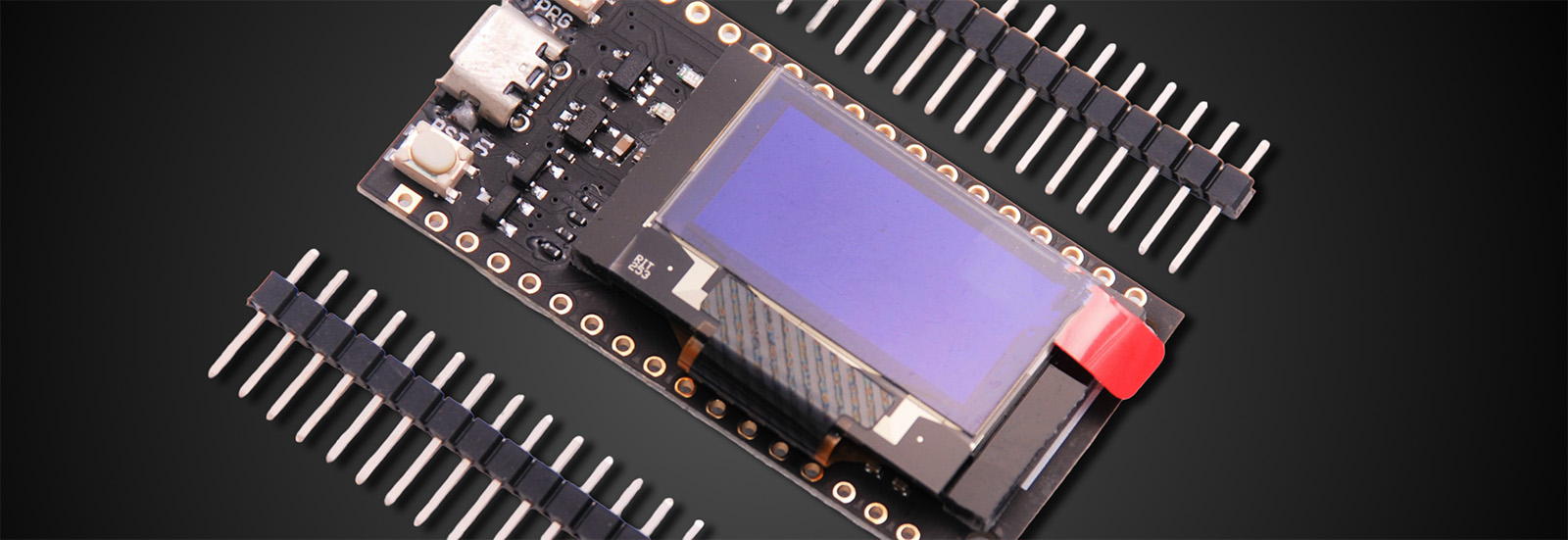
Round ESP32 Display Turns Into a Smart Kitchen-Style Timer
A open-source countdown timer built on a round touchscreen CrowPanel shows how a rotary dial can make setting time intuitive.
-
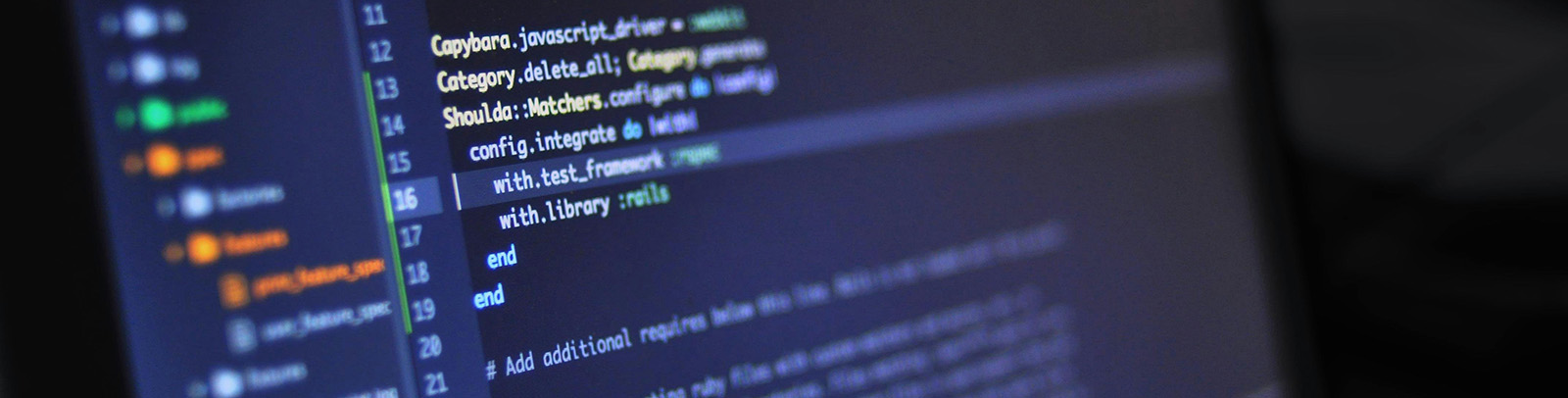
Type Server Protocol: A JSON-RPC Interface for Python Type Analysis
Microsoft’s experimental Type Server Protocol (TSP) gives editors and tools a standard JSON-RPC way to query Python type-analysis data from a type server.
-
Dropping Next.js Took a Blog to a Perfect 100 on Lighthouse
A solo developer reached 100 in every Lighthouse category after replacing Next.js with the lighter Hono framework for a static blog.
-
PHP2Shell Bugs Put Web Servers at Risk as Patches Roll Out
Two long-overlooked vulnerabilities in PHP, dubbed PHP2Shell, forced many organizations to scramble for patches this week. Researchers warn the situation is not yet over.
-
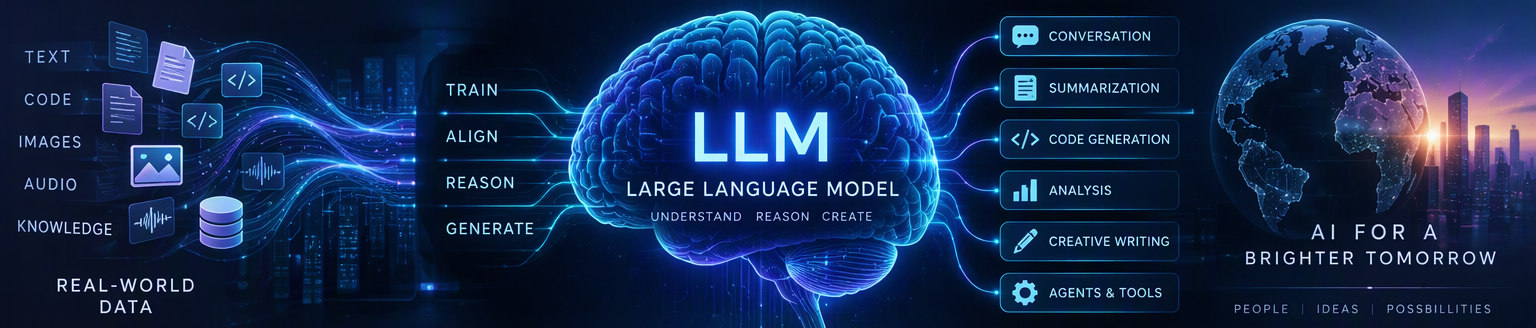
OpenAI Will Train Frontier Models Without Internet Access
OpenAI says it will train its frontier AI models with no internet access, aiming to protect internet infrastructure and limit safety risks. The move follows a July incident in which its testing agents hacked Hugging Face.
-

Roc’s roc-deflate Gets Within Single-Digit Median Gap of C’s libdeflate
A Roc DEFLATE package came within single digits of the C library libdeflate on median benchmarks, while keeping memory safety and purity guarantees.
-

AI Data Center is a Good Business?
Everyone is talking about the AI gold rush. Hyperscalers are spending tens of billions on GPUs, “neoclouds” like CoreWeave and Lambda have become household names in tech, and GPU rental marketplaces are full of people renting out compute by the hour. So a natural question pops up: can a regular person — or a small…
-
UUIDv7 Does Not Guarantee the Properties Many Expect
A close look at UUIDv7 finds that its commonly cited benefits, including ordering, timestamps, and unguessability, are not strictly guaranteed. Only uniqueness is reliably provided.
-
Dijkstra Argues Natural Language Programming Is Not the Easy Path
A 1978 essay by computer scientist Edsger W. Dijkstra questions whether programming in everyday language would actually make life easier for developers.