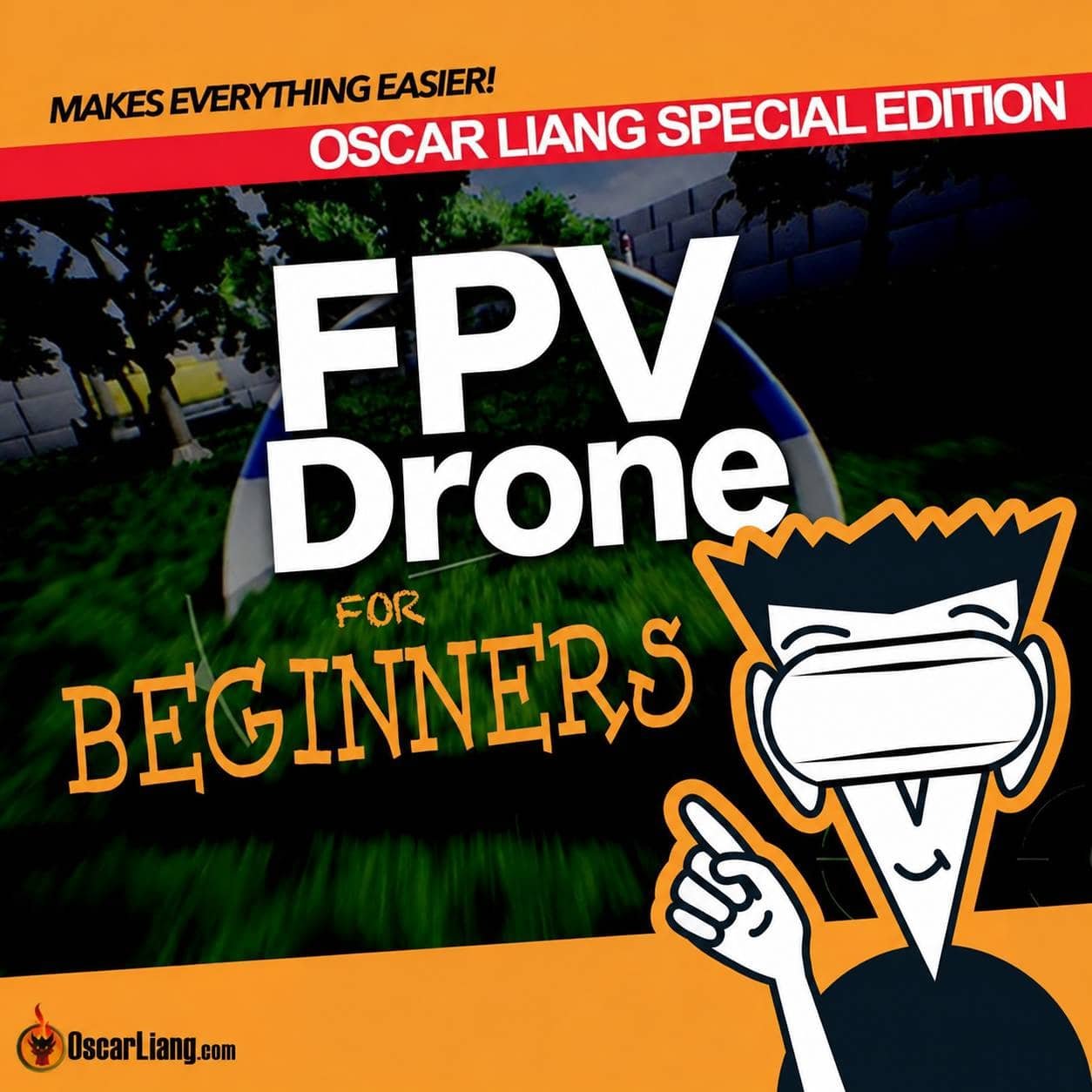
Oscar Liang's beginner guide breaks down how to start with FPV drones, from choosing a radio to picking a first drone.
Source: Oscar Liang
FPV, or First Person View, flying lets pilots see a live camera feed from their drone through goggles, which can feel like sitting inside the aircraft. Unlike stable DJI camera drones built for aerial photography, FPV drones are flown manually and can move quickly, fly through small gaps and perform flips and rolls. That makes them exciting, but the learning curve is steep.
The guide suggests a six-step path. Start by buying a radio controller, then practise in a flight simulator for at least five to ten hours before choosing a drone, compatible goggles, batteries and a charger. The author recommends a radio with built-in ExpressLRS 2.4GHz transmitter for most beginners, and says a simulator is one of the most useful investments a new pilot can make. Angle Mode, which levels the drone automatically, is easier for newcomers, while Acro Mode is preferred for freestyle and racing.
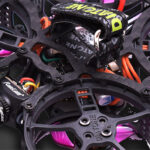
For a first aircraft, the author favours tiny whoops for confidence-building and indoor flying, with micro drones as a next step for outdoor use. Five-inch drones are powerful but more expensive to crash, so they are better left for later. Ready-to-fly kits are often criticised for cheap components, while a bind-and-fly drone is the author's preferred choice for most beginners.