
A new industry manifesto argues that changing UK law to recognise autonomous systems would cost little and help the sector grow. The Merchant Shipping Act and aviation rules are central to the complaint.
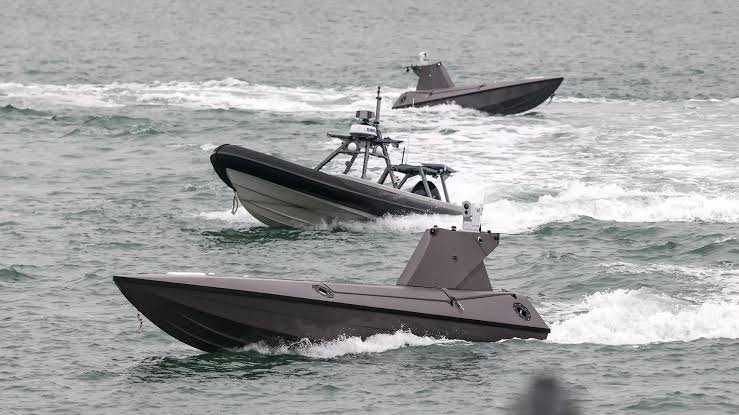
The manifesto from Autonomous UK, a newly formed trade body for the sector, places legal recognition ahead of funding as the priority for British drone and autonomy developers. Reporting by the Financial Times points to a planned drop in spending on new uncrewed systems, from £330mn in 2026-27 to £160mn in 2029-30. The Ministry of Defence responds that it is investing more than £5bn in drones and autonomous systems over four years. The group's director-general, Michael Martins, argues that many of the fixes would cost nothing.
At the centre of the problem is the Merchant Shipping Act 1995, which was written with crewed ships in mind. Small uncrewed vessels can still operate under existing routes set by the Maritime and Coastguard Agency, but larger autonomous craft face case-by-case assessment. The government said in 2023 that it would bring forward legislation when parliamentary time allowed. No government bill has appeared, and a private member's bill introduced in March 2026 did not progress. In the air, the industry's main complaint is slow permits and slow approval of software updates.
The article's author, a barrister specialising in drone law, suggests four changes: a short bill implementing the 2023 consultation response, a sponsored trials route for defence work, proportionate change control for software updates, and recognition of approvals from trusted allies. Developers are advised to engage regulators early and keep testing in Britain while the law catches up.
Source: sUAS News