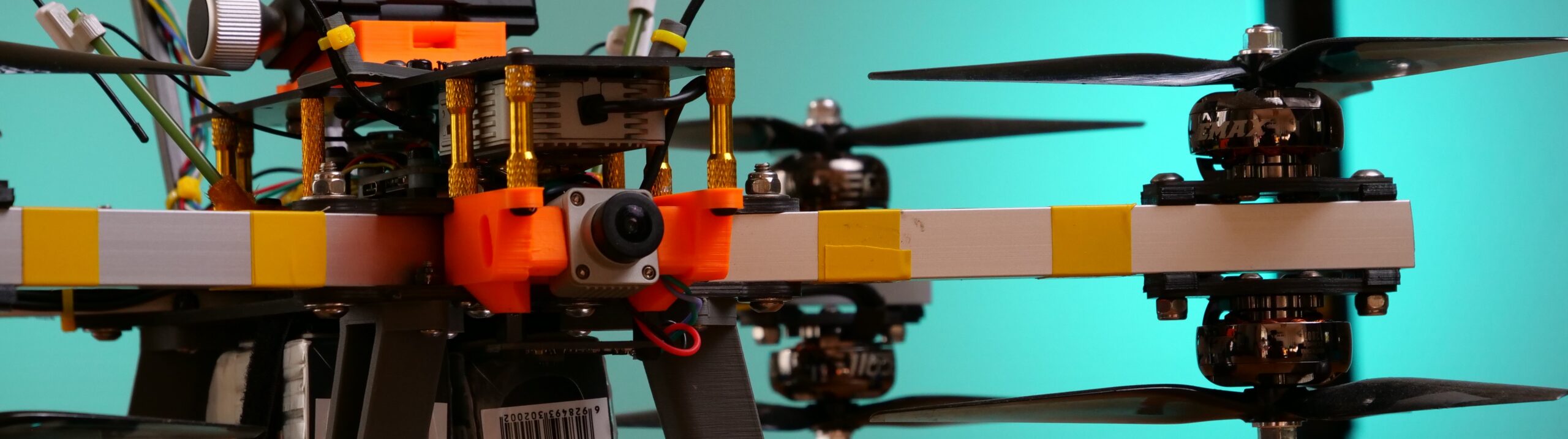
Researchers at ETH Zurich have built a flexible quadcopter that can hit obstacles and keep flying. The design aims to make drones more robust where avoiding every obstacle is hard.
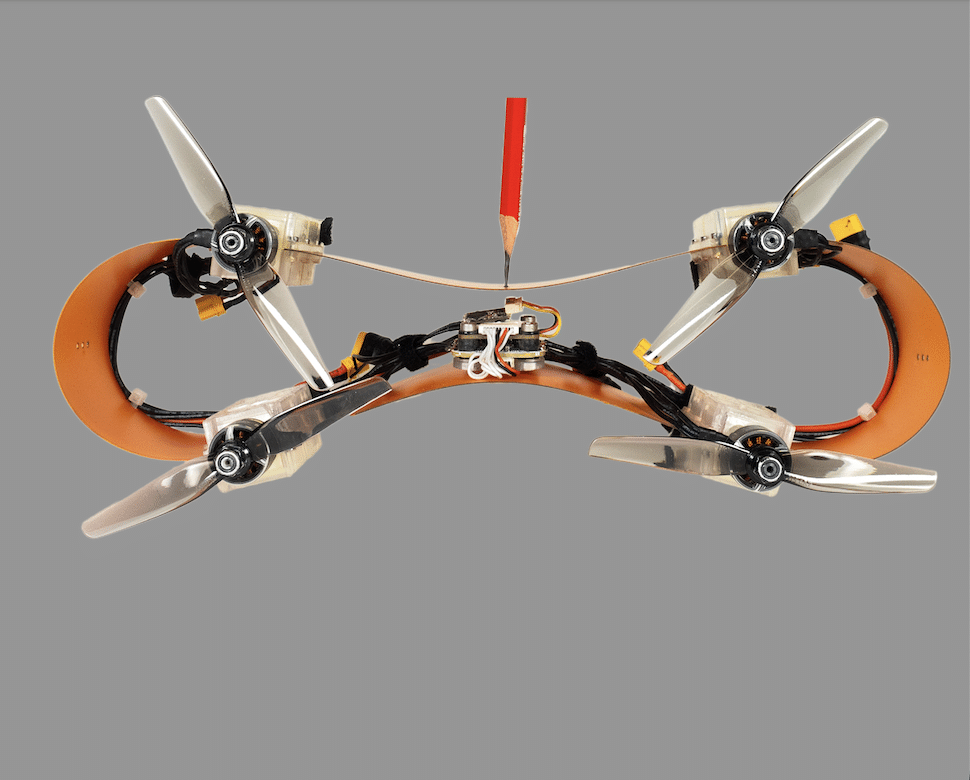
The FlexiQuad, developed at ETH Zurich, replaces the rigid airframe common to most quadcopters with a flexible, ring-shaped frame. When the drone strikes an obstacle, the frame bends and absorbs part of the impact, reducing the force of the collision and helping the aircraft stay airborne. The researchers report that it can withstand impacts at about 25 kilometers per hour, and it can reach up to 80 kilometers per hour in normal flight.
The approach offers an alternative to relying solely on sensors and obstacle avoidance. The frame bends sideways during a collision but stays stiff vertically, a principle inspired by birds and insects whose wings flex in some directions and not others. The four rotors, batteries, and control electronics sit along the ring, so the design needs no central body. The team has filed a patent application, and ETH Zurich has nominated the invention for its 2026 Spark Award.
Potential uses include inspecting ship ballast tanks, searching collapsed buildings, and collecting environmental data in dense forests. Researchers have also shown the drone can pick up, carry, and release a soft first-aid kit, and lift a payload heavier than itself. A net inside its hollow center could eventually help capture unwanted drones, though that remains a proposal rather than a demonstrated capability.
FlexiQuad is still a research platform. Vibrations after a collision can blur camera images and disrupt navigation, and the team is using reinforcement learning to help the drone stabilize and resume autonomous flight. The airframe materials cost less than 15 Swiss francs, according to ETH Zurich.
Source: DroneLife