Dronetag’s Scout Gen 2 Extends Remote ID Detection to Directional Antennas
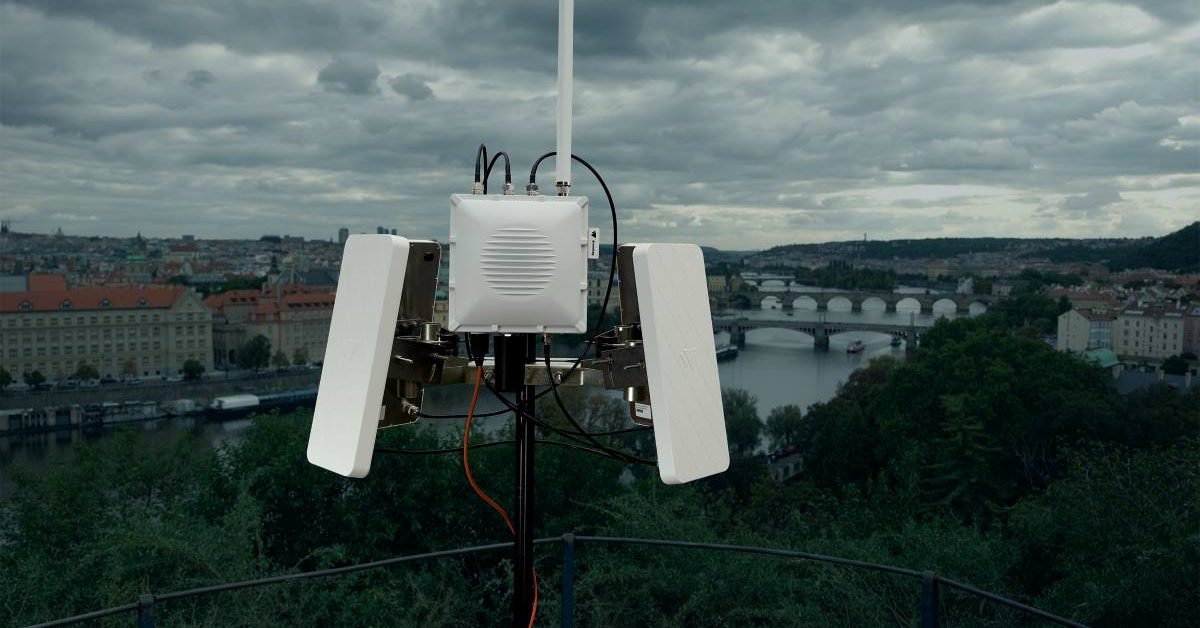
Dronetag has released Scout Gen 2, a fixed Remote ID receiver aimed at public safety, security and infrastructure users who need wider drone monitoring coverage.
Source: DroneDJ
The headline feature is the ability to pick up Remote ID broadcasts on both 2.4 GHz and 5 GHz across all antenna types, including directional sector antennas. Dronetag says no other Remote ID receiver on the market currently offers this combination.
The change matters most for Drone as First Responder (DFR) programs, many of which fly Skydio drones. Skydio aircraft broadcast Remote ID on 5 GHz, but receivers have generally relied on omnidirectional antennas for that band, which limited effective detection to roughly one mile. In its High Performance configuration, Scout Gen 2 can track Skydio aircraft from more than 5 miles (8 kilometers) away, well beyond the operating ranges of several established US DFR programs, such as Chula Vista, Arlington Police Department and Chattanooga.
The launch comes as autonomous drone activity keeps rising. Data from Dronetag's Detection Network, which includes more than 3,000 receivers, shows autonomous operations grew 2.6 times year over year, and autonomous flights now make up 24.9% of recorded flights in the US.
Other updates include a 10% improvement in Remote ID reception on 2.4 GHz and standard LTE connectivity. The US version is FirstNet-capable, with full support expected via an upcoming firmware update. A new Aviation High Performance configuration adds monitoring of manned aircraft through ADS-B, ADS-L, UAT and FLARM. Scout Gen 2 is available now from Dronetag's online store in four configurations: Baseline, Aviation Baseline, High Performance and Aviation High Performance.