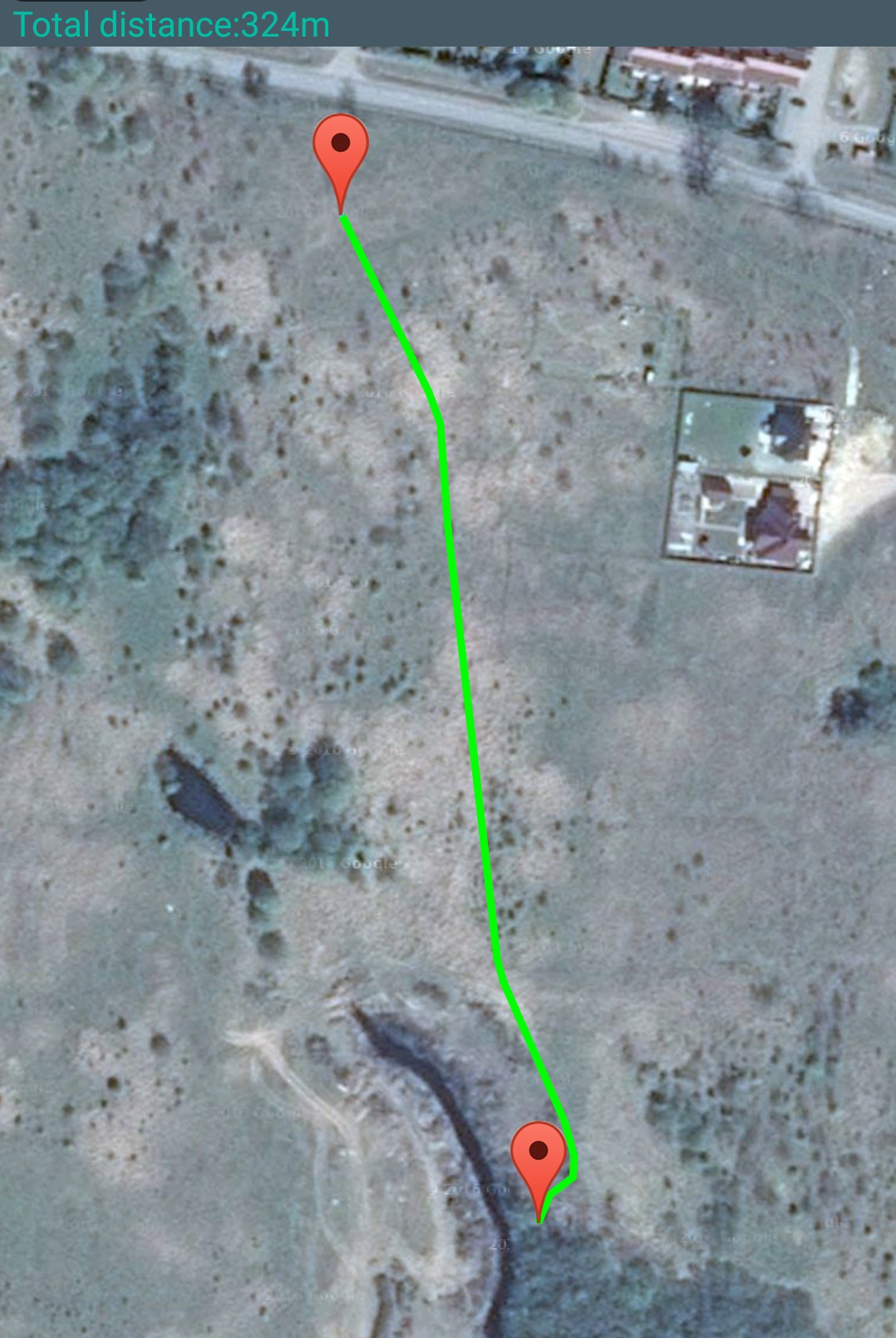

What would happen if tomorrow cell phones and the internet went down? Whether caused by a datacenter fire, natural disaster, terrorist attack, or even war, losing communication would leave us blind and disconnected. For those of us living in regions close to geopolitical tension—like Poland, right next to Ukraine and Russia—this isn’t just a thought experiment. It’s worth having a backup plan.
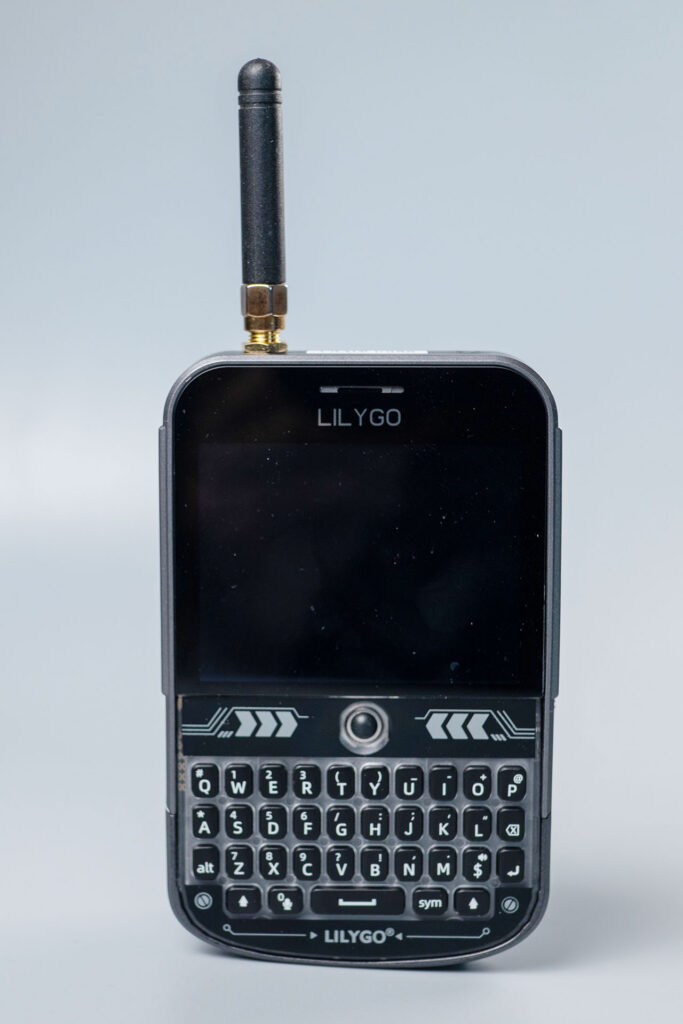
That’s where mesh networks come in. Unlike traditional networks that rely on centralized infrastructure, mesh networks are decentralized. Every node is equal, and as long as there’s a path between source and destination, the message gets through. One of the most exciting projects in this space is Meshtastic, which runs on inexpensive LoRa devices.
Meshtastic is like a walkie‑talkie that went to engineering school and came back with a mesh networking degree. It allows you to send text messages and share GPS locations without cell towers or Wi‑Fi—just a few low‑power radios chatting across hills, forests, or city blocks.
It’s not about streaming video or sending photos. Instead, it’s about resilient, off‑grid communication. Think of it as a mix of nerdy fun, practical survival tech, and a community of enthusiasts who love antennas and radio experimentation.

The entry barrier is low. A basic setup costs around $20–$30 when sourcing hardware from China. Here’s what you’ll need:
- Development board with a LoRa chipset
- Reliable antenna (avoid the cheap ones that come bundled)
- Elevated placement for the antenna (a hill or rooftop works best)
- Smartphone with the Meshtastic app
- Optional laptop or PC for advanced setups
With these components, you can start your own mesh network or join an existing one in your area.
Useful links: